Short answer:
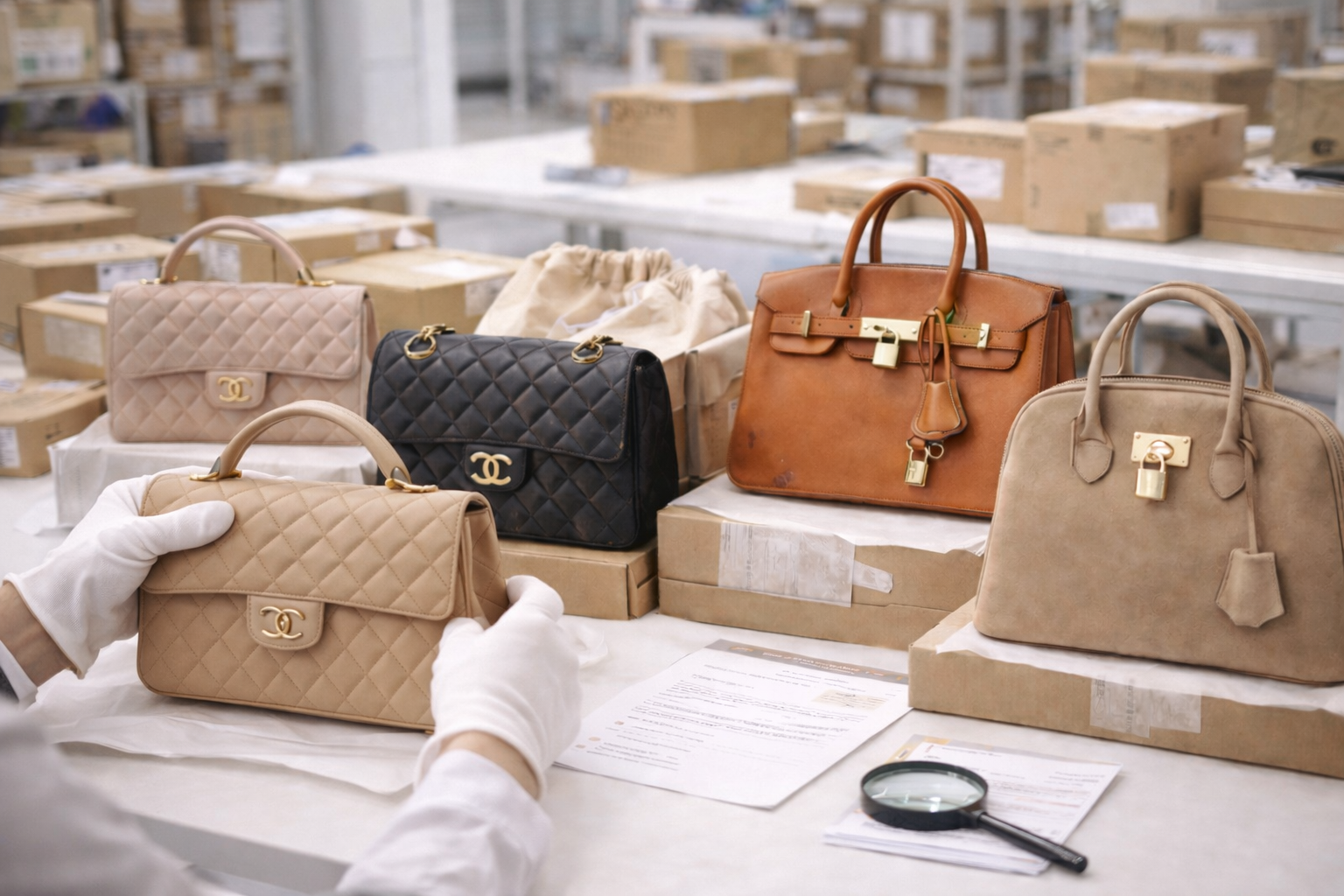
Japanese luxury auctions usually photograph items in their current observable condition without changing their surface appearance.
This helps ensure that photos accurately reflect the item at the time of inspection.
Auction photos are meant to document condition
Auction photos are used to record how the item appears at the time of listing.
・Surface wear may be visible
・Small marks or dust may remain
・Visual details match the inspection observations
These photos function as condition documentation rather than presentation images.
Why items are not heavily cleaned before listing
Auctions prioritize accurate condition recording.
・Cleaning may change the visible surface
・Polishing could reduce or hide observable wear
・Maintaining the current state helps preserve inspection accuracy
This supports consistent condition reporting.
Difference between auction photography and retail presentation
Auction listings and retail listings serve different purposes.
・Retail presentation often focuses on appearance
・Auction photography focuses on documentation
・Each approach reflects a different reporting objective
Auction photos are intended to reflect the item’s actual state.
Relationship between inspection and visible condition
Inspection and photography work together.
・Inspection notes describe observed condition
・Photos provide visual confirmation
・Both reflect the item without alteration
This helps maintain alignment between written and visual information.
Common misunderstandings
Some expectations come from retail environments.
・Expecting polished presentation images
・Interpreting visible dust as poor handling
・Assuming items should be visually prepared
Auction photography serves a documentation function.
How buyers can read auction photos calmly
A neutral interpretation supports accurate understanding.
・Recognize that photos show the item’s current condition
・Understand that visual appearance reflects inspection timing
・Use photos together with condition ranks and notes
This aligns interpretation with auction listing structure.
A balanced conclusion
Japanese luxury auctions photograph items in their current observable condition to preserve accurate documentation.
The purpose of auction photography is to record the item’s state rather than enhance its appearance.
Understanding this helps clarify how auction listings present items transparently and consistently.
Related articles about auction photos and condition reporting
• Why Do Japanese Luxury Auctions Take Their Own Photos Instead of Using Brand Images?
• Why Are Photos Limited in Japanese Luxury Brand Auctions?
• Why Do Japanese Luxury Auctions Use Condition Ranks Instead of Detailed Descriptions?